A room that lives without you
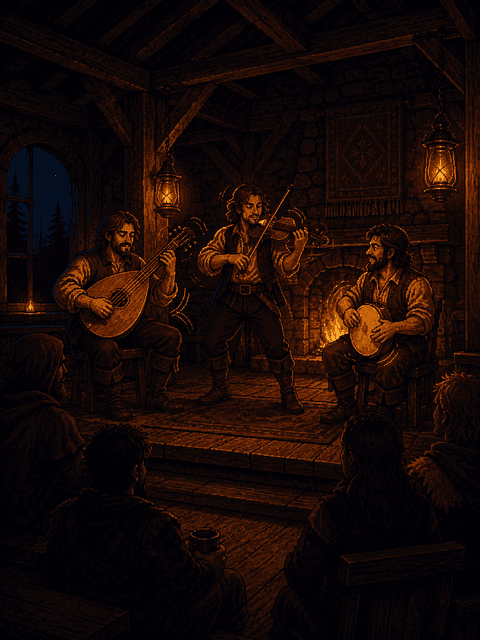
The tavern is a small pixel-art world with its own evening. A lute player sits near the hearth, a card game goes on at one table and quiet talk at another, the serving maid waits at the end of the bar and now and then crosses the room. A ginger cat sleeps on the warm stones, a hound dozes under the long table. Nobody repeats a loop: each of them keeps their own slow, uneven time, so the room never looks quite the same twice.
Tavern sounds for D&D and tabletop sessions
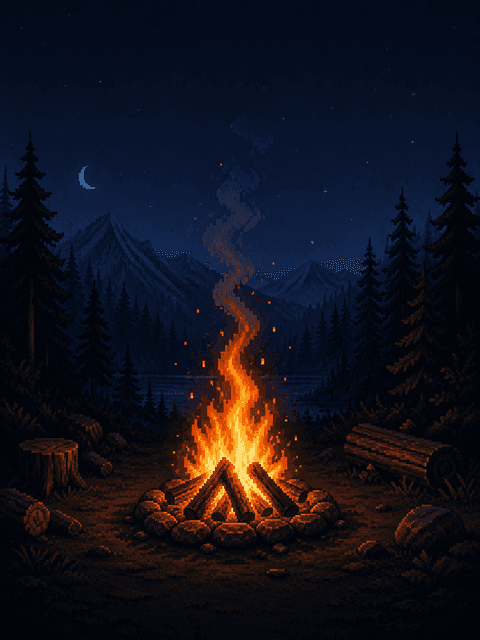
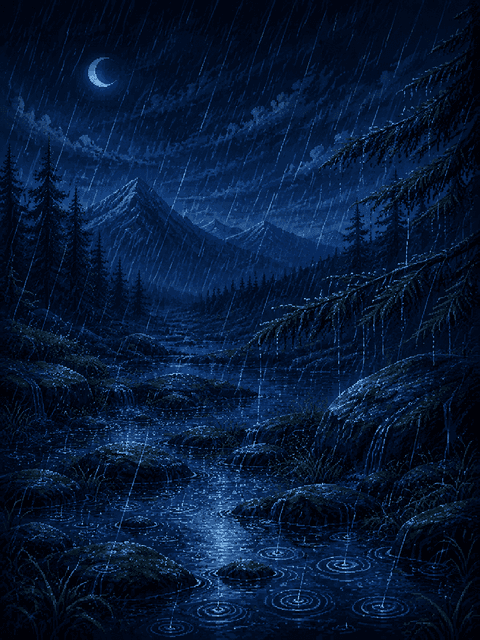
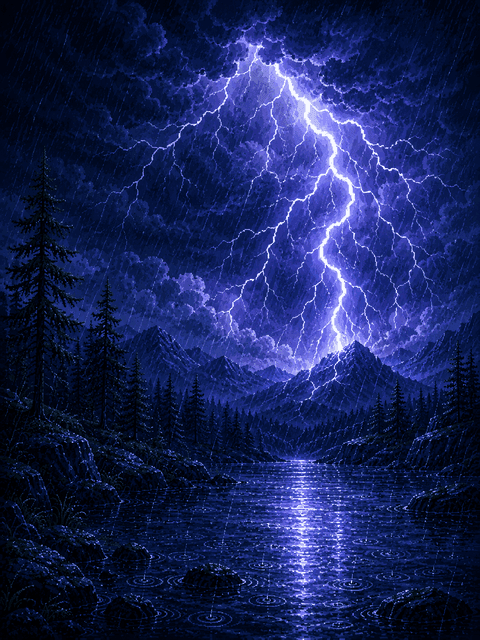
Game masters use tavern ambience to tell the table "you are safe, for now" without saying a word. Put the scene on a second screen or a TV, go full screen and let the fire and the lute run under the conversation. When the party walks out into the night, bring up rain and thunder; when they head for the road, the night train or the forest camp are one click away.
Because every layer has its own slider, you can keep the music almost silent while players talk and raise it during a long shopping scene or a break.
Tavern ambience for reading and writing fantasy
A warm room full of people who never ask you anything is a surprisingly good place to work. Writers use it to get into a fantasy chapter, readers to sink into a long novel. If the music pulls at your attention, turn it off and keep the fireplace with soft rain: the room is still there, just quieter. For a steadier work background, our focus mixes include a tavern corner table.
Change the hour and the season
Slide the time of day and the light through the windows changes with it, from a deep blue night to a pale morning when the last guests are still at their cups. Change the season and the room dresses for it. Turn up the fire and the hearth flares; add a storm outside and the windows flicker. It is the same tavern, but a different night every time.